
Planning door hanger delivery in Indianapolis
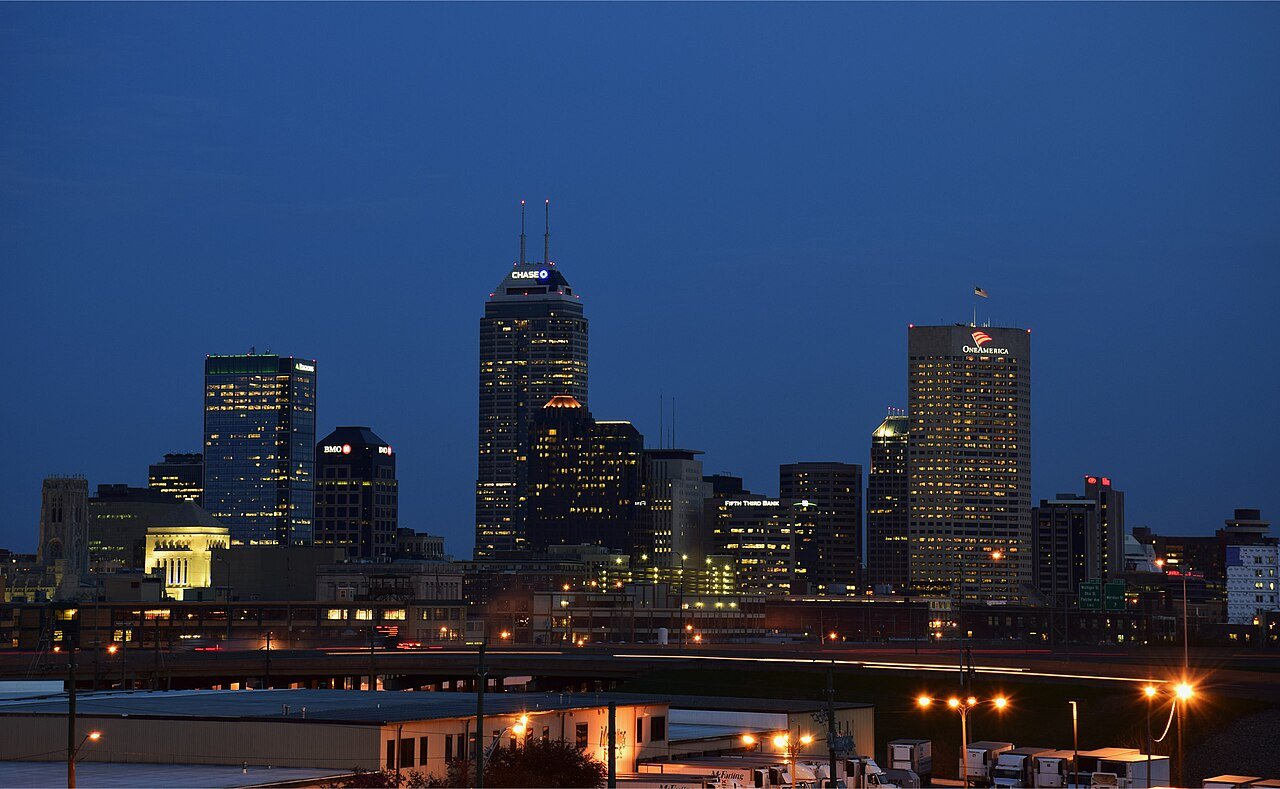
A successful Indianapolis, Indiana door hanger campaign starts with the households your business can genuinely serve, not the largest possible print order. Verified Deliveries offers nationwide door hanger delivery, and this guide explains how to prepare a local campaign brief covering geography, material, access, timing, and reporting. Start with one clear objective: generating service inquiries, introducing a new location, announcing a neighborhood offer, or reconnecting with nearby customers. The objective should determine the streets you select and the action you ask residents to take. A landmark photograph identifies the city; it does not imply an office, completed campaign, or permission to distribute at that landmark.
Compact residential clusters help control walking distance between eligible doors. Areas such as Broad Ripple, Irvington, and Meridian-Kessler are useful starting points for discussing geography, not a promise that every property is accessible or every neighborhood is included in a scheduled campaign. City names, postal areas, and business service territories do not always share the same boundaries. Confirm the actual streets and eligible properties before finalizing quantity. If your business serves only part of Indianapolis, a smaller, well-defined route is more practical than paying to reach households outside your service radius.
Neighborhood targeting and eligible doors
Build the target area around the customer need. A lawn-care campaign may prioritize residential properties where the advertised service is relevant; a restaurant opening may focus on nearby households within a realistic ordering radius; a home-service business may choose contiguous streets it can visit efficiently. For Broad Ripple, ask whether the selected blocks fit the offer and the business's travel limits. For Irvington, review housing type and shared entrances. For Meridian-Kessler, confirm whether the route extends beyond the requested jurisdiction. These are planning questions rather than claims about household income, ownership, or buying behavior.
Define a deliverable door in writing. A detached house, duplex, shared porch, apartment lobby, and gated entrance are not interchangeable units. Do not assume a map pin represents an accessible household. Request a review of inaccessible properties, vacant addresses, duplicate units, and any opt-out or no-solicitation exclusions. If household criteria are proposed, ask where the data comes from, how current it is, and whether it is appropriate for the campaign. Final route eligibility and counts should be agreed before artwork is printed, especially when the piece mentions a location-specific offer.
Door hanger design, printing, and material preparation
The front of a door hanger should answer three questions quickly: who is contacting the resident, what useful offer is available, and what the resident should do next. Use a readable business name, one primary message, and a clear phone number, website, or QR destination. Avoid turning a small printed piece into a crowded brochure. Check that the contact method works on a phone and that any offer conditions are legible. For a Indianapolis campaign, mention a relevant service area only when the business actually serves it; avoid implying endorsement by a neighborhood organization or local government.
Before production, approve the final dimensions, hanger opening, paper stock, finish, quantity, and artwork proof. Confirm whether design support, printing, packing, freight, and distribution are included or quoted separately. A correctly sized hanger needs to remain secure without damaging a handle or obstructing access. If the campaign uses flyers, bags, magnets, or samples instead, obtain written confirmation that the material and placement method are suitable. Supply print-ready artwork where requested and review spelling, offer dates, phone numbers, QR codes, and image rights before approving the job. A proof approval should be recorded, not assumed.
Delivery routes, access, and scheduling in Indianapolis
Organize the campaign into manageable street clusters rather than treating the entire city as a single walking route. Confirm the intended delivery window, material arrival date, and any dependencies such as a grand opening or seasonal offer. Leave room for weather, unsafe conditions, access restrictions, and a delayed print shipment. The local planning issue for this market is straightforward: compact residential clusters help control walking distance between eligible doors. Your written brief should explain how route changes will be communicated and whether excluded doors are deducted, replaced with approved alternatives, or handled another way.
Delivery permission matters. Do not treat an unlocked gate or a public sidewalk as permission to enter a controlled-access building or private community. Campaign crews should follow applicable laws, posted notices, property restrictions, and agreed placement instructions. Check the specific jurisdictions in the chosen Indiana service area; a general city guide is not legal advice or a permit. Materials must not be placed inside U.S. mailboxes, and delivery should not interfere with residents, entrances, or emergency access. Discuss respectful placement and exclusion handling before launch so the campaign does not depend on improvising at each property.
GPS tracking, photo evidence, and completion reporting
Verification should be defined by the evidence you receive, not simply a reassuring label. When discussing GPS-tracked delivery, ask whether the report shows planned routes, actual movement, delivery timestamps, completed quantities, and documented exceptions. A route trace can show where a crew traveled, but it should not automatically be treated as proof that every household received a piece. Ask how the report distinguishes completed, skipped, inaccessible, and reassigned locations. For a multi-neighborhood Indianapolis campaign, separate reports by agreed route or phase make it easier to compare the intended scope with the work recorded.
Photo evidence can complement route records, provided its purpose and sampling method are clear. Confirm what photos will show, how frequently they are collected, and whether they document placement without unnecessarily capturing residents or private details. Agree on the reporting format and the process for raising a concern about a missed area. Any re-delivery promise, audit procedure, response deadline, or other remedy belongs in the written campaign agreement. Do not assume a guarantee based on a headline. Keep the final map, artwork approval, quantity reconciliation, and completion evidence together for a practical record of the campaign.
What to include in a local delivery quote
A useful quote identifies the work rather than offering an unexplained price per piece. Prepare the city and selected neighborhoods, estimated number of eligible doors, material type, artwork status, desired delivery window, and reporting requirements. Ask for a breakdown of printing, shipping, distribution, design support, and any approved additions. Route density, walking distance, property access, production choices, and campaign size can affect the scope. This page does not publish a Indianapolis rate, minimum order, guaranteed turnaround, or local inventory because those details require confirmation for the actual campaign.
Before accepting, check how the agreement handles quantity changes, unused materials, delivery exceptions, weather interruptions, and cancellation. Confirm who approves a route revision and whether any replacement area must be agreed in advance. Franchise or multi-location campaigns should separate each location's audience and contact information rather than sending the same piece indiscriminately. If Broad Ripple and Meridian-Kessler are in different parts of the business's territory, evaluate them as distinct phases with their own brief and measurement code. A transparent scope lets you compare proposals on the same work, without relying on unsupported provider rankings or blanket performance promises.
Measure responses and improve the next campaign
Choose a response method before the first piece is printed. A dedicated landing page, offer code, trackable phone number, or QR destination can help distinguish door hanger inquiries from other marketing channels. Test every destination and make the same offer available when the resident arrives. Record the campaign date and route group so later inquiries can be interpreted with context. Where practical, compare a focused first phase with another approved area instead of changing geography, artwork, offer, and timing simultaneously. Delivery is an activity; leads, sales, and return on investment are separate outcomes that cannot be guaranteed by distribution alone.
Review qualified inquiries, booking capacity, customer fit, and actual revenue alongside delivery evidence. An offer can attract attention without being profitable if the business cannot serve the area or the promotion has unclear conditions. Use what you learn to adjust the next print run, tighten service boundaries, or improve the call to action. In Indianapolis, the value of local planning is the ability to connect a realistic household audience with a useful offer and a business prepared to respond. Retain the campaign brief and reporting, and confirm the next schedule and scope in writing rather than assuming a repeat campaign will be identical.
Local reference
City and neighborhood names are geographic reference points, not guaranteed route availability. Review the Indianapolis, Indiana city reference and confirm actual delivery boundaries, access requirements, and campaign terms before ordering.